Operating temperature is the bigger factor for the lifspan of NEC/TOKINs. The hotter the console runs the sooner they die.
The 90nm produce the most heat and SONY designed around this.
- large Heatsinks with heatpipes. Split design, with RSX HS not in contact with CPU HS. Prevents one from heating the other.
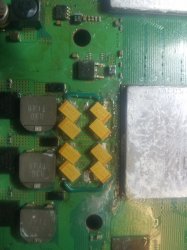
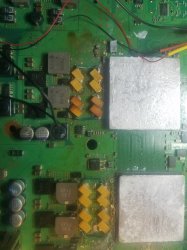
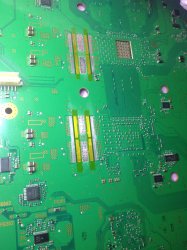
- Thermal VIAs between the processor and tokins
- Thick ground plane to distribute and sink heat away from hot components.
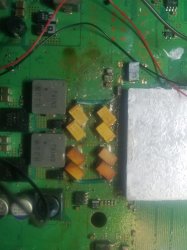
- Thermal pads and RF shield to sink hot MB components.
- Airflow design that pulls air in through the front, over the RF shield, acting as a heatsink for MB components incontact with thermal pads, and through the PSU, before it contacts the Heatsink fins to dump the processors heat out the back.
The thermal design was carefully thought out. The tokins lifespan was taken into consideration, the thermal VIAs prove it. They provide thermal separation between the processors and tokins, to extend their 2000 hour rating at 105C to a more reasonable number.
I put a thermocouple between the CPU tokins and measured it at about 65C. But that console had delidded CPU/GPUs, fresh paste, clean fan and case. As the console gets dusty and the paste ages, more heat will be dumped into the board. So I figured my estimate for the operational temps being 65C - 85C.
This is my theory why toshiba laptops had tokin failures. They placed them directly under the CPU! The hottest possable place on the MB. Their operational lifespan inside a laptop, directly underneath a CPU that's soldered to the board, will be much higher than the PS3. It depends on OEM temperature limits, but often laptops allow 100C. That's getting dangerously close to that 2000 hr rating!
Combine that with how most people use devices (never blowing out the HS or periodically changing paste), and you have a recipe for premature failure. Problem is that it also led to the idea that the tokins were defective, which isn't true!
After SONY moved on to AlPol caps in the slims they removed the thermal vias. AlPol caps have the same concern as do the tokins. Their lifespan is dramatically reduced by heat. So they decided that the cooler 40nm RSX and 45 m Cell produced so much less heat that they didn't need thermal separation between them. I don't understand why they didn't include the vias. It would extend their life. I don't think it saves money, or maybe it does at that scale IDK. Point is SONY was playing the balancing game of needed reliability with cost.
They also reduced the size of the heatsinks, removed the expensive heatpipes, adjusted fan curves, designed a more direct airflow path through the console, etc.
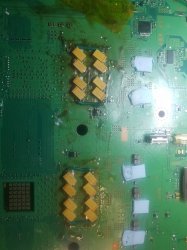
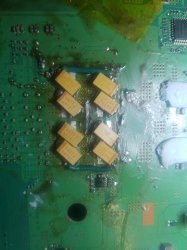
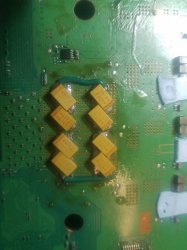
There are things we can do to further cool the tokins, to help prevent their failure and the need to replace them. We can add a thermal pad to contact the RF shield. The resin case on to tokins actually insulates them, making them hotter, but you can "delid" it without harming them. Then placing a thermal pad on them in so they contact the RF shield will dramatically reduce their temp. Even a small reduction in operational temps will greatly increase their lifespan. In theory...
I have not tried or thoroughly tested this idea.