I apologize in advance, this is going to be a long post:
The TL;DR:
- Anyone who says this is a 100% fix is wrong.
- Reballing is not a con.
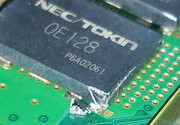
- The NEC/TOKINs do fail.
- Low ESR of Tantalum caps matters.
- The current across the caps is no joke. More jumpers = safer.
- Total capacatitanc might mater, but dosen't "appear" to.
- Learn to properly Delid your CPU, make a tool, and do it before you turn your PS3 on again!!!
- Jailbreak and install webMAN for tighter fan control.
I have been investigating this repair myself for over a year. You can read about
my adventure here. I am a hobbyist, not an electrical engineer! However, I have been diving deep into EE videos and technical documentation to try and understand what is really going on. To summarize my findings and experience:
PS3 #1 (CECHA01) has been through hell and is currently dead with a hard YLOD. However, before that the tant cap fix worked multiple times, and failed quickly afterwards due to various soldering mistakes (cold solder joints, not enough jumpers, flux/jumper wires causing bridging, not deliding the CPU IHS which was overheating and complicating things, etc.) In the process I learned how to solder properly to the motherboard and about the RLC circuit the NEC/TOKIN caps are part of.
- From carefully reading the schematic, this is an RLC power filter/decoupling circuit designed to provide derippled, decoupled, a clean +1.0v (CPU) and +1.2v (RSX). Here is a simplified schematic I made to make it easier to read, but it's not 100% accurate.
- The general rule is that using more capacitance if fine (as most of us have been assuming is the case). However, in RLC circuits the capacitance is important if you want to Pass or Stop a specific band (frequency range). Therefore it's possible that SONY engineers chose 4800uF for a reason. The RLC filter is needed because of the DC-DC switching voltage regulators that step the +12v main to 1-1.2v the chips drink. These regulators introduce noise that must be removed. It's most efficient to do so as close to the chip as possible, which explains the proximity of the NEC/TOKIN and the ceramics (CE in the pic above) to the chips. The RLC circuit SONY chose to employ does this very efficiently, but because of the inductor, it introduces resonance. Basically, capacitance could be important. I have not confirmed if the resonant frequency obtained by using 4800uF capacitance is important or not, and not sure how to. However, to remove the variable it is advisable to just match a replacement spec for spec.
- The amount of current that flows across these caps is large. I found this out the hard way (see pic below). A single AWG22 solid core conductor was inadequate and shorted! I also had trouble with shorting when they laid flat, because they ran over the GND rails. They would heat up, carbonize and short. So I had to go over the top, such that it was impossible to short. Keep this in mind. Below are pics from PS3#1, which didn't survive all the failed attempts and shorts.


- Something odd happened with PS3#1 above after all these repair attempts. The YLOD disappeared! Great, but artifacting would freeze the console within a few minutes of startup. That indicated an RSX issue that probably requires reball to fix. I attempted a reflow and it resulted in a GLOD! I attempted it again with more heat and proper flux, but the board warped on me and resulted in a hard YLOD. I intend to try a reflow and/or reball of both the CPU and RSX, but given how much the board warped, I doubt PS3#1 will survive. I'm still waiting on supplies and may revist it later, but my focus shifted to PS3#2.
PS3 #1 Continued here...
PS3 #2 (A01)
- ESR is an important consideration in filter circuits. The lower the better. 4x NEC/TOKINs have a combined ESR of 0.375mOhms, so that's the target you should be looking to match. I found that 18x 270uF, 2.5v, 6mOhm Tantalum capacitors have the same total capacitance and a lower ESR. Therefore they are ideal for a CECHA01 as 1:1 replacement. I also chose these for their size, so that they are easier to solder in place, look clean, and can have the OG thermal tape replaced afterwards. I used hot air (380C) in my left hand to preheat the area while soldering the caps in using my iron (340C) in the right. I found it easier to use Kapton tape to hold the Cap in place. I installed 8x of these in place of one NEC/TOKIN for each the CPU and RSX on PS3 #2 (CECHA01), which was a hard YLOD. This console had not been previously worked on and appeared to be stock inside. I decided to leave 3x NEC/TOKINs in place, so I would not need to add jumpers. I delided the CPU/RSX and applied MX-4 TC. This fixed the YLOD and has been very stable about 24 hours of on-time. I jail broke it so I could install webMAN mod and see the temps (67C CPU, 58C RSX, Fan 33%, set point 68C). It's well controlled now and I'm confident that it's going to last, but that remains to be seen.


- Please note that the total capacitance that fixed PS3#2 is not known because I left the OG caps in place. 2160uF of added capacitance was adequate for this console, but if I were to replace all the NEC/TOKINs I'd have used 18 total per chip to match the OG spec. I didn't need to and adding jumpers is potentially problematic. Many people have has success going over 4800uF total capacitance, so it "apparently" doesn't matter.
- Lastly, you can't uses continuity buzzer to check your work. The normial resistance between +/GND rails is below the threshhold for most multimeters. I have measured it between 2.5-3.5ohms when the caps are properly installed. Be sure to thoroughly clean the area of flux after install, as I have noticed flux residues can decrease that resistance and cause a short.
I want to offer a hypothesis about the YLOD progression, based off my experience and that of others I've read:
- After 2 years, SONY's cheap thermal grease begins to dry. An air gap forms in-between the IHS and the Die on the CPU and/or RSX. Since this is under the heat spreader, it's not easy to get to. Most people do not replace it. People usually only replace the thermal compound between the IHS and the Heatsink, but that's only half of the solution. It's helps lower temps, but doesn't prevent overheating. BOTH CPU and RSX need to be delided!
- You start to notice the fan gets noisier. The SYSCON will pretty much allow the CPU/RSX to get to about 75C before the fan ramps into high gear. Above 70C is bad, so SONY's default fan control scheme is terrible. They obviously prioritized sound over longevity. The only way to change this is to Jailbreak the PS3. And it needs to be done. But if you don't change the thermal paste to restore thermal contact between the IHS and the die, then the chips overheat and the fan tries it's best to remove the heat. Of course this is a loosing battle because the chip is becoming increasingly insulated. I noticed this on my working PS3. After a few minutes the fan would ramp up to a noisy level. It still worked, so I assumed it was just the Hot running PS3 we all know and love. But that's not it. It's your fair warning of overheating! I delided the RSX, because it was easy, and not the CPU, because it was hard. I just delided it this week and the thermal greases was completely dried up. There was no direct contact anymore! This needs to be replace on every PS3 that hasn't had it done!
- The excess heat places unnecessary strain on the NEC/TOKINs causing them to fail faster. They die and cause a YLOD. Or thermal cycling at temperatures above 75C places unnecessary stress on the BGA and causes fatigue fractures leading to a YLOD, before the Caps fail. Based on two consoles I've personally replace caps on, which is too small a sample size to draw definitive conclusions, I would say that the caps fail first more often.
- People send their console in for a reball, which repairs the BGA. If the cause of the YLOD was the caps, the heat from the process often restore function to the NEC/TOKINS temporarily before they die again. This could explain some of the reballed consoles that YLOD again within a matter of months. Some repair shops don't remove the IHS during the reball. First this means it takes longer for them to heat up and be removed, which is harder on the chips and motherboard. Second, they did not fix what was causing the chips too overheat in the first place. So they will again overheat and cause another YLOD soon after the reball. Lastly, the heat that shorten the life of the NEC/TOKINS may not have killed them before the solder balls cracked and caused the YLOD. A reball my fix the console and it will run until the NEC/TOKINS finally die (which they are prone to anyway). This accounts for the rest.
- Fed up, people sell their PS3 cheap on e-bay.
- We install a tantalum caps to repair the consoles that do not have damaged solder balls. Deliding is still necessary to prevent excess heat and thermal stress that would eventually cause BGA damage. Combining these with a reball may provide a longer lasting repair, but placing that much heat on chips will shorten their life. So a reball should be avoided. The best way is to delid and cool the chips as soon as temps start to rise out of control. And a jailbreak with webMAN mod to monitor temps and tighten up the fan controls will help immensely.
PS3 #2 Continued here...



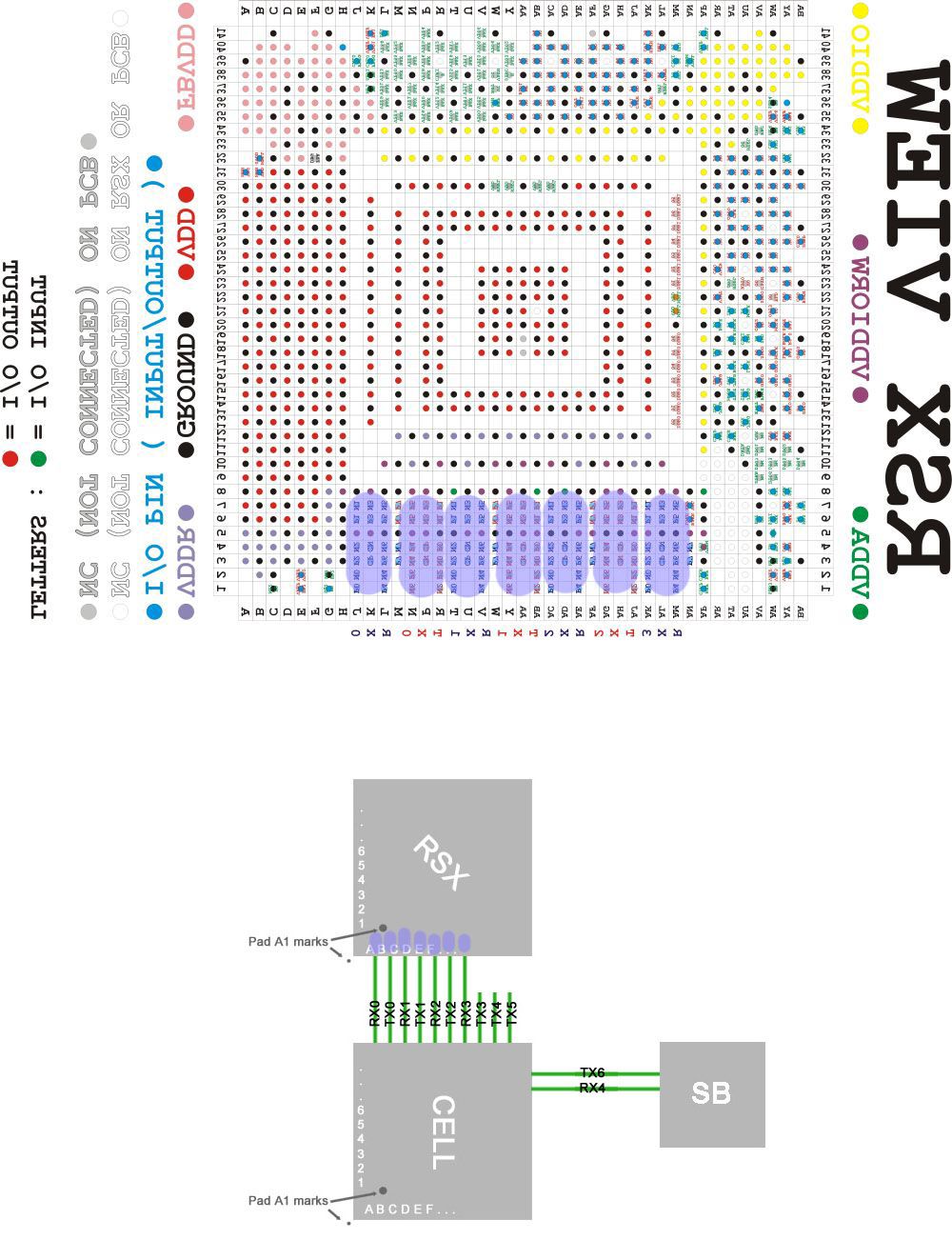

 . In the beginning that's what I was trying to attemp, got a squared wood block beneath the RSX position of the motherboard and then applied force over the whole IHS. I didn't try to apply force on the FlexIO pins, too afraid of breaking the BGA solder in the opposite side (like a seesaw).