
sandungas
Developer
I cant tell if your PS3 was perfect, and i dont want to make you feel bad, also i use to be picky with tests, to check that is needed to start the PS3 from ambient temperature (lets say 30ºC) and stay idle in XMB for 30 minutes or so, at that point you should have a difference of temperatures in between CELL and RSX really small, i mean... smaller than 3ºC... in my PS3 it was 0ºC of difference the last time i took a look at it
But keep in mind the differences of temperatures from the people that reports in forums differs mostly because:
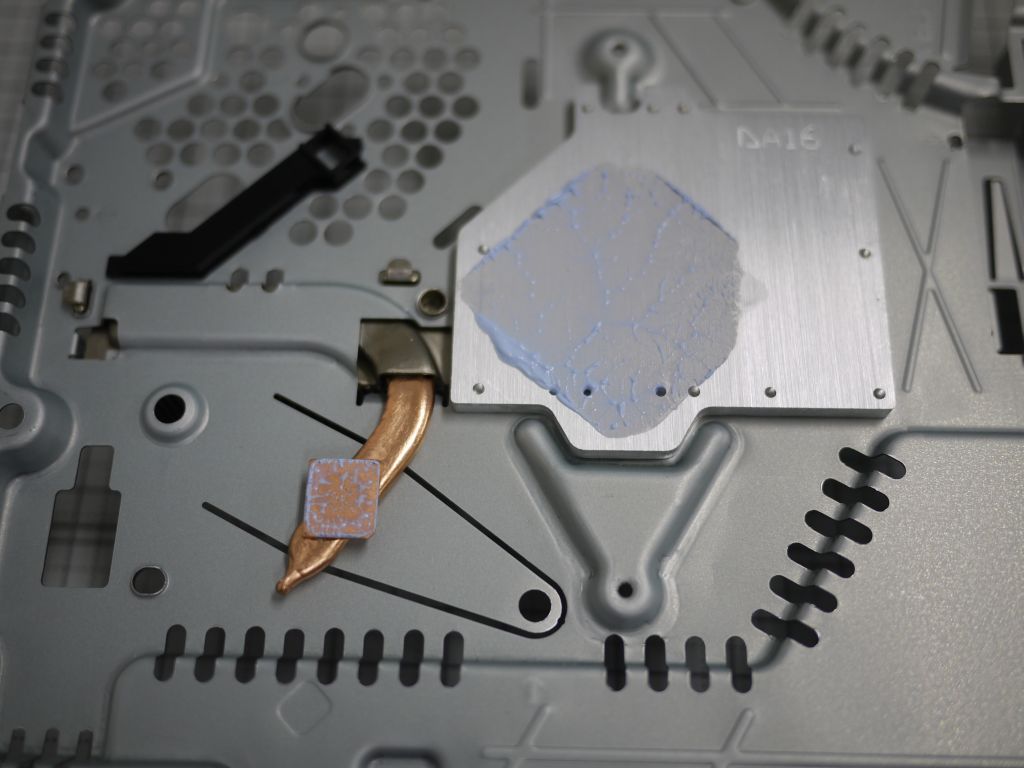
1) we are not replacing the paste under IHS's.... so we relly in the factory paste, is applyed a bit randomnly and some PS3 units have the pastes better spreaded than others
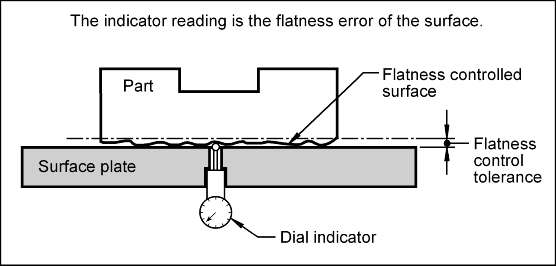
2) the flatness of the heatsink and IHS surfaces varyes a lot, there is a video in the forum of a guy where it can be seen very well, he did a very good analysis of the problem, some heatsinks surfaces have like "scratches" and the surface is not completly plane, also the IHS surface sometimes is a bit curved
That small variations in between PS3 units is what makes some people report small differences of 5ºC up or down (not much more i guess)
Im mentioning this because there is people that says "every PS3 is different and have different temperature", but thats not completly true because 2 different PS3 of the same model should have exactly the same temperatures... the truth is... "every assembly in between heatsink and IHS's, and how the pastes are spreaded are different"
You know... that assembly in between surfaces and his planarity should be meassured in micrometers (but we cant meassure it)
-----------
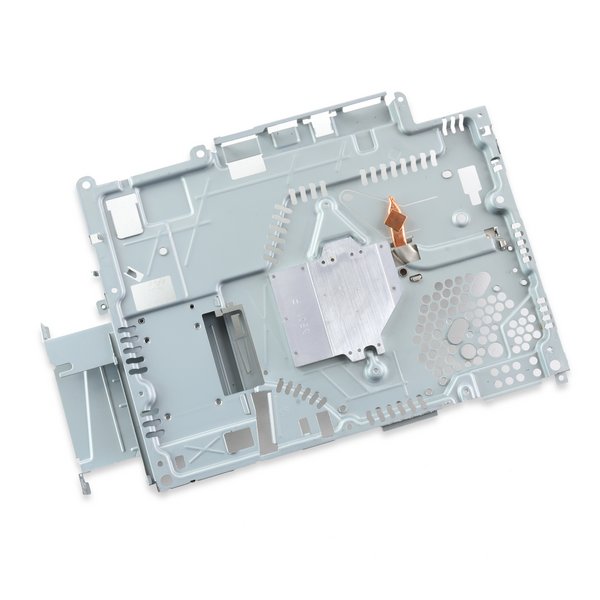
Anyway, what you should do with the CECH-25xx is what has been mentioned before in the thread... by bending the metal clamps at the back of the heatsink you can increase the pressure, and this could help to the cracked solder ball to make electrical contact temporally... enought for the PS3 to boot and this should give you a confirmation that you have a cracked ball under RSX
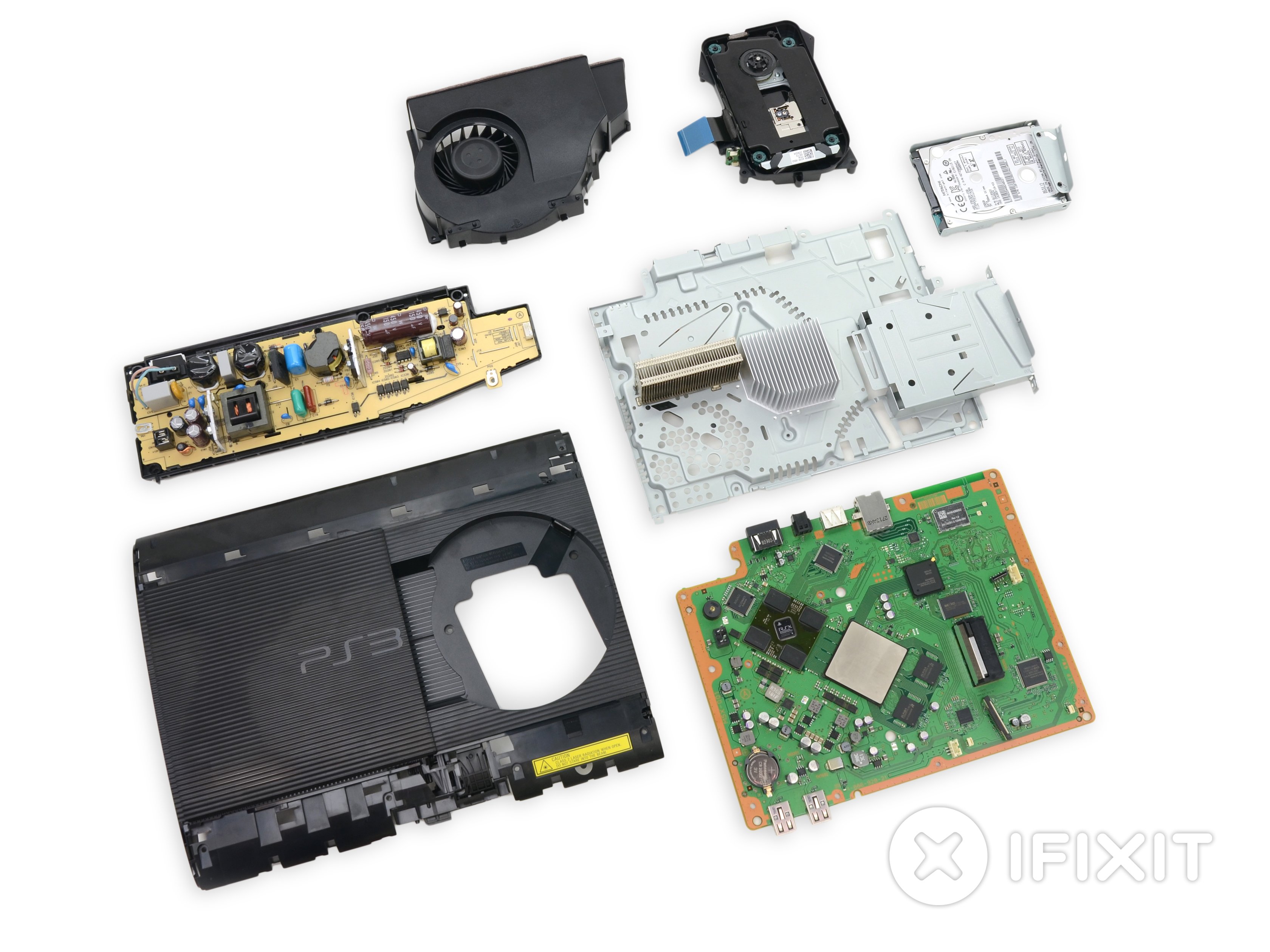
But there is another problem that actually happened to me, and i dont feel shame to admiting in public... when you assemble the metal shields (the sheets that covers the motherboard like a sandwich) they needs to be assembled in a specific order, and doing a precise movement (there is a point where you need to close them like closing a book)
If you dont do this correctly... it seems the metal touches the circuits somewhere and creates a short circuit
In that state the PS3 is going to do exactly the same you mentioned... it enters in standby with the red led... but when you try to turn it ON doesnt boots
I dont remember exactly the led error code it does... i was a bit in panic mode, lol
And another btw... incase you have a cracked ball under RSX the 2 ways to fix it are by a "reflow" or a "reballing"
A reflow is the cheap/ghetto way... basically, it means re-heating it and praying for the solder balls to resolder by themselfs
A reballing is the professional way... there are some reballing machines that costs thousands of dollars, is needed to remove the RSX, clean it up the old solder balls, replacing the solder balls by new ones, and resoldering them with an infrared heater that have the reballing machines
The reballing could be a bit expensive, and you are going to find lot of people that advertises themselfs as professionals, but they are not, they does reballings but low quality with a machine that did cost 200$ or so (very cheap in comparison with the other rebaliling machines)
If you find some place where they does reballlings in a good way and for a good price... it worths the money and is a good repair... actually better than the factory soldering
But keep in mind the differences of temperatures from the people that reports in forums differs mostly because:
1) we are not replacing the paste under IHS's.... so we relly in the factory paste, is applyed a bit randomnly and some PS3 units have the pastes better spreaded than others
2) the flatness of the heatsink and IHS surfaces varyes a lot, there is a video in the forum of a guy where it can be seen very well, he did a very good analysis of the problem, some heatsinks surfaces have like "scratches" and the surface is not completly plane, also the IHS surface sometimes is a bit curved
That small variations in between PS3 units is what makes some people report small differences of 5ºC up or down (not much more i guess)
Im mentioning this because there is people that says "every PS3 is different and have different temperature", but thats not completly true because 2 different PS3 of the same model should have exactly the same temperatures... the truth is... "every assembly in between heatsink and IHS's, and how the pastes are spreaded are different"
You know... that assembly in between surfaces and his planarity should be meassured in micrometers (but we cant meassure it)
-----------
Anyway, what you should do with the CECH-25xx is what has been mentioned before in the thread... by bending the metal clamps at the back of the heatsink you can increase the pressure, and this could help to the cracked solder ball to make electrical contact temporally... enought for the PS3 to boot and this should give you a confirmation that you have a cracked ball under RSX
But there is another problem that actually happened to me, and i dont feel shame to admiting in public... when you assemble the metal shields (the sheets that covers the motherboard like a sandwich) they needs to be assembled in a specific order, and doing a precise movement (there is a point where you need to close them like closing a book)
If you dont do this correctly... it seems the metal touches the circuits somewhere and creates a short circuit
In that state the PS3 is going to do exactly the same you mentioned... it enters in standby with the red led... but when you try to turn it ON doesnt boots
I dont remember exactly the led error code it does... i was a bit in panic mode, lol
And another btw... incase you have a cracked ball under RSX the 2 ways to fix it are by a "reflow" or a "reballing"
A reflow is the cheap/ghetto way... basically, it means re-heating it and praying for the solder balls to resolder by themselfs
A reballing is the professional way... there are some reballing machines that costs thousands of dollars, is needed to remove the RSX, clean it up the old solder balls, replacing the solder balls by new ones, and resoldering them with an infrared heater that have the reballing machines
The reballing could be a bit expensive, and you are going to find lot of people that advertises themselfs as professionals, but they are not, they does reballings but low quality with a machine that did cost 200$ or so (very cheap in comparison with the other rebaliling machines)
If you find some place where they does reballlings in a good way and for a good price... it worths the money and is a good repair... actually better than the factory soldering
Last edited: